Identity locked
Write chemical name, CAS if known, requested concentration and grade. If you will accept more than one charge type, list them as separate options. Molecular weight does not replace assay.
RFQ planner worksheet
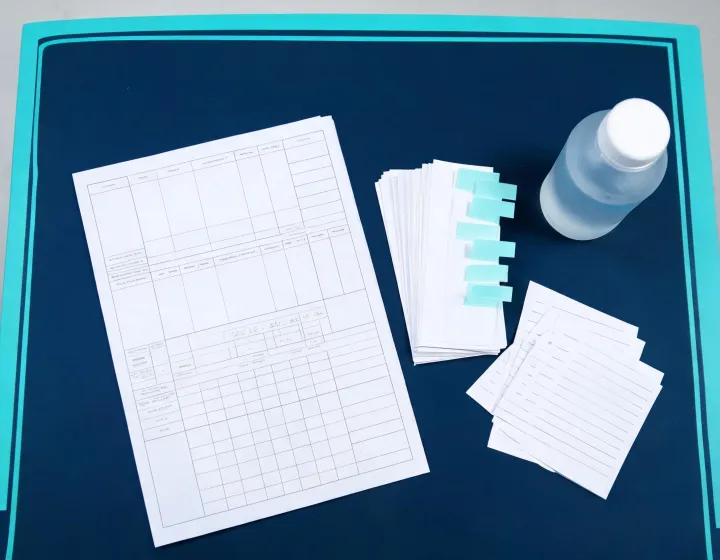
Use this planner when the next step is talking to water treatment chemical suppliers rather than browsing catalog labels. The layout reuses a document-hero structure, but every field is a purchase decision. No carbon, net-zero, circular-economy or for-generations claim is made here. Water Treatment Chemical Sourcing remains an independent sourcing partner and does not present itself as the supplying factory.
Write chemical name, CAS if known, requested concentration and grade. If you will accept more than one charge type, list them as separate options. Molecular weight does not replace assay.
List SDS, TDS, CoA analytes, and any TSCA or transport statement you will require. Mark each as required, optional or not applicable so a factory is not guessing which file closes the review.
Identify who inside your company signs specification, EHS and commercial release. A sourcing desk cannot stand in for those names. Sample pass/fail criteria stay with the named reviewer.
These checkpoints are a buyer worksheet. They are not factory KPIs, audited environmental goals or proof that water treatment chemical suppliers already passed a visit. If a field is unknown, keep it unknown until a quoted lot exists.
It cannot calculate landed duty, cannot classify dangerous goods, and cannot tell you whether a jar-test narrative on a website applies to the bulk lot you will receive. Viscosity, solids content, particle size and active content belong on the RFQ only for the quoted article. Flash point, where listed on an SDS, is still not a substitute for concentration. Handling and mixing instructions are out of scope.
Inorganic coagulant versus organic flocculant as the first clarification step, and oxidizing versus non-oxidizing biocide, are buyer-side choices with different document and packaging consequences. Record the preferred path and any acceptable alternative as separate lines. This planner does not rank those methods.
Ask whether the manufacturer, a toller or a third laboratory signs the certificate. A distributor reprint should cite the producing site for the offered lot.
Request how the factory identifies batches and how long CoA values remain associated with that identity. Do not treat a typical TDS as a lot certificate.
If the plant cannot make the charge type or concentration you asked for, it should quote the alternative separately with its own SDS and packaging, then wait for your approval.
On-site jar tests, worker training and local permit filings stay with destination-side professionals. The RFQ can ask for SDS and packing details only.
Copy the locked identity, remaining SDS or CoA items, and the receiving city into the form. The worksheet is a buyer checklist, not proof that water treatment chemical suppliers already passed a visit.
Qualified business buyers
Compare factory wholesale quotations on one specification basis.
FREE basic specification and sourcing-requirements review
Eligible first orders may receive a benefit of up to 3%
Eligibility applies to qualified business buyers and is confirmed after we review your product, quantity, destination, and sourcing requirements.