Same-basis steps
Keep water treatment chemical distributors quotes on one commercial and technical line
Lock the chemistry request
Record coagulant versus flocculant versus biocide versus inhibitor preference, requested active content, charge type, molecular weight and pH if known, and whether powder, emulsion or solution is expected. Leave the field blank when the buyer wants suppliers to propose.
Name packaging and labels
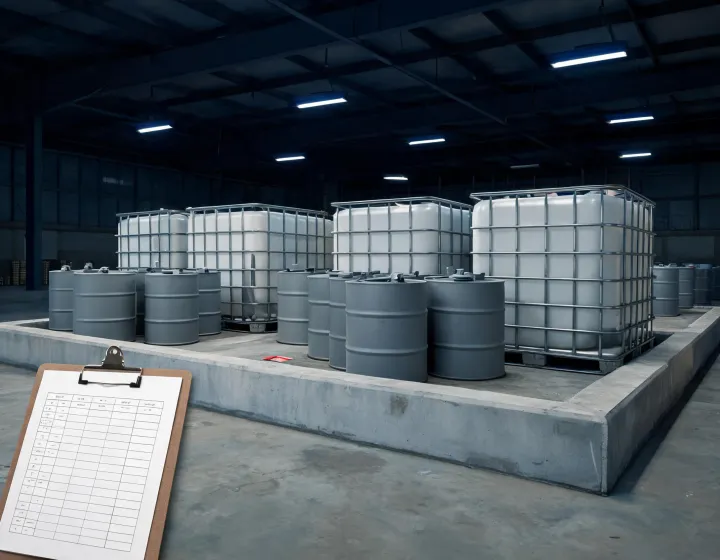
Ask for bag material, net kilograms, pallet pattern, and whether the liquid ships in drums or IBCs. A 25 kg bag and a 1,000 kg tote are not the same landed unit until the quote says so.
Split the cost columns
Product subtotal, bagging, samples, testing, freight, duties, and destination charges stay in separate cells. Unit price is not compared until currency, quantity, Incoterm, and exclusions match.
Hold unverified claims
ISO 9001, REACH status, TSCA statements, and lead time remain supplier answers for this SKU. Alternatives go on a second line pending buyer approval.
Typical intake notes include CAS number where known, assay or solids content, viscosity method, density, pH, moisture, particle size for powders, flash point where listed, UN number, and package net content. Those fields are copied into the RFQ so two factories answer the same question. They are not published here as a catalog of products we warehouse.
When a mill proposes a substitute charge type or a different emulsion solids range, park it on a second row. Do not blend unit prices across unmatched configurations. Residual monomer, trace metals, and UN number still come from the exact SDS after the product is named. Handling, storage and mixing stay with qualified reviewers at the destination.
Optional budget should identify currency and whether it applies per kilogram, drum, IBC or complete order. High-end, mid-range, budget or undecided is a buyer preference for documentation depth, not a verified rating of water treatment chemical distributors.